Top Reasons to visit Kutch: Why This Hidden Gem Should Be Your Next Adventure
Welcome to my homeland, where every sunrise over the Rann of Kutch paints the sky in shades of gold and silver that will leave you breathless. As someone born and raised in this extraordinary region, I’ve witnessed this magical transformation thousands of times, yet it never fails to fill me with pride. The vast salt desert that stretches endlessly before you creates an otherworldly landscape that seems borrowed from a dream – and I’m honored to share this wonder with you during your stay.
Having welcomed countless travelers from across the globe to our beloved Kutch, I can tell you with certainty that this land of contrasts will capture your heart just as it has mine. Our region offers an intoxicating blend of ancient traditions, vibrant culture that pulses through our daily lives, and breathtaking natural beauty that changes with every season.
Table of Contents
1. The Cultural Tapestry of Kutch
2. Must-Visit Places and Natural Wonders
3. Art and Handicrafts: Living Traditions
4. Practical Travel Tips
5. Why Kutch Deserves a Place on Your Bucket List
6. Frequently Asked Questions
1. The Cultural Tapestry of Kutch – A Living Museum of Traditions
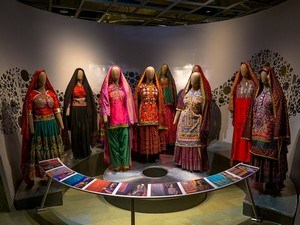
What sets Kutch apart from other tourist destinations is its incredibly diverse cultural landscape where different communities have preserved their unique identities while coexisting harmoniously. The region is home to numerous indigenous communities, each with distinct customs, clothing, and crafts. The “Rabari” pastoralists, with their striking white clothing and intricate jewelry, have maintained their nomadic lifestyle for centuries. The “Ahir, Jat, and Mutwa” communities each contribute their own flavors to Kutch’s cultural mosaic. What’s particularly fascinating is how these communities have adapted to modern times while fiercely protecting their heritage. The women still wear traditional ghagras (long skirts) with mirror work that catches the desert sun like tiny stars, creating a mesmerizing display as they move through village squares.Festivals and Celebrations
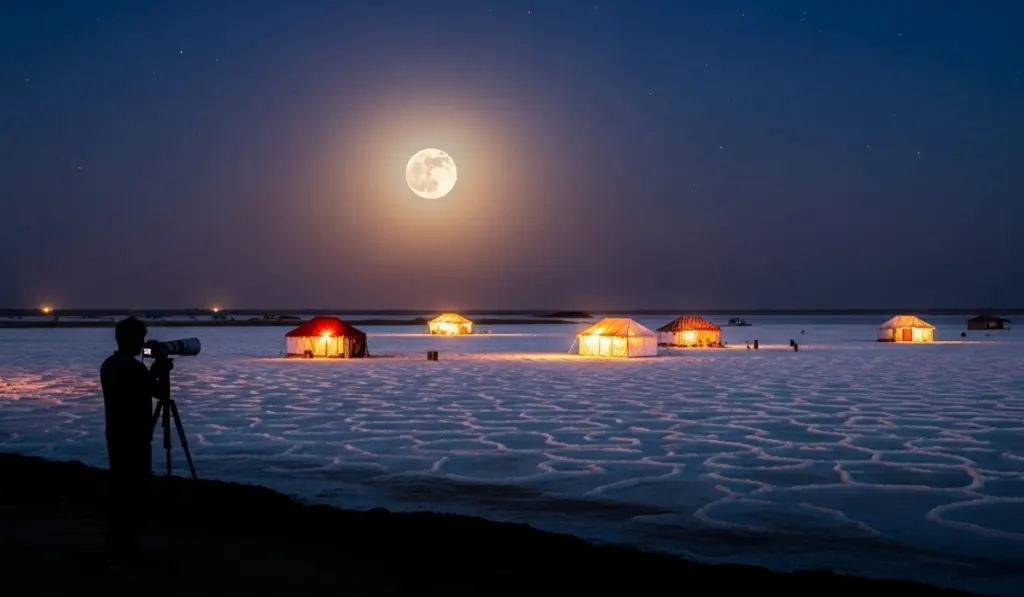
The region comes alive during festivals, particularly the famous “Rann Utsav” (December to February). This festival transforms the white desert into a vibrant cultural hub with folk dances, music performances, and craft exhibitions. However, I’d recommend visiting during local village festivals too – they offer more authentic, intimate cultural experiences away from tourist crowds.
2. Must-Visit Places and Natural Wonders
- The Great Rann of Kutch
No discussion of Kutch is complete without the “Great Rann”, the world’s largest salt desert. Covering over 7,500 square kilometers, this seasonal salt marsh becomes a glistening white expanse during the dry season. The experience of walking across this seemingly infinite landscape, especially during a full moon night, is absolutely supreme.
Pro tip: Visit during sunrise or sunset for the most magical experience. The changing colors of the salt crystals create a natural kaleidoscope that photographers dream of.
- Mandvi Beach and Palace
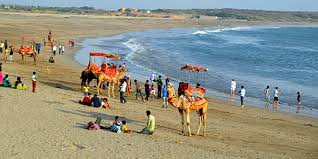
The coastal town of Mandvi offers a delightful contrast to the arid landscapes. The pristine beach, with its gentle waves and golden sand, provides perfect relaxation after desert adventures. The nearby Vijay Vilas Palace, with its stunning Indo-Saracenic architecture, served as a filming location for several Bollywood movies.
- Bhuj: The Cultural Capital
Bhuj, the main city of Kutch, serves as your gateway to the region’s treasures. Despite the devastation from the 2001 earthquake, the city has rebuilt beautifully while preserving its historical essence. The Aina Mahal (Palace of Mirrors) and Prag Mahal showcase exquisite architecture and royal artifacts.
For comfortable and affordable accommodation in Bhuj, consider staying at Modern House Bhuj homestay, which offers authentic local hospitality at budget-friendly rates.
- Hidden Villages and Living Museums
Some of my most memorable experiences have been in small villages like Hodka, Dhordo, and Bhirandiyala. These settlements offer glimpses into traditional Kutchi life that remain largely unchanged. The mud-walled houses with their distinctive decorations, called lippan kam are architectural marvels in themselves.
3. Art and Handicrafts: Living Traditions
- Textile Paradise
Kutch is India’s most vibrant textile hub. The region’s embroidery traditions are so diverse and intricate that UNESCO has recognized several as intangible cultural heritage.
Kutchi embroidery styles include:
– Ahir embroidery-Bold geometric patterns with vibrant colors
– Rabari embroidery- Intricate chain stitches with mirror work
– Mutwa embroidery- Dense stitching creating elaborate floral patterns
Another amazing thing is each stitch carries meaning – some represent prosperity, others protection or fertility. These aren’t just decorative arts; they’re coded messages passed down through generations.
- Block Printing and Natural Dyeing
The town of Ajrakhpur specializes in traditional block printing using natural dyes. Watching master craftsmen create intricate patterns using wooden blocks is mesmerizing. The process takes weeks, with fabrics being washed in the nearby river multiple times to achieve the perfect color depth.
- Pottery and Metalwork
The Kumbhar pottery community in villages like Lodai creates beautiful terracotta items, while the Lohar metalworkers craft everything from agricultural tools to decorative brass items. These crafts aren’t museum pieces – they’re living traditions still serving practical purposes in daily life.
4. Practical Travel Tips
- Best Time to Visit
October to March offers the most comfortable weather. The Rann Utsav period (December-February) provides organized cultural programs but also larger crowds. For a more intimate experience, consider visiting in October-November or March.
- Getting Around
Renting a car with a local driver is the most convenient option. Many villages are accessible only by road, and having a knowledgeable local guide enhances the experience significantly.
5. Why Kutch Deserves a Place on Your Bucket List
After spending many years exploring and living in Kutch, I can say this land offers something truly rare. It is a place where ancient traditions are still part of everyday life, yet travelers can feel comfortable and well cared for during their stay.
When you visit, you’ll see cultures that have been preserved for generations, landscapes that feel untouched and almost unreal, and a warmth in people that stays with you long after your trip ends. Whether you are interested in local art and handicrafts, curious about nature and wildlife, or simply looking to experience authentic local life, Kutch has a way of welcoming everyone.
What makes Kutch special is how it holds on to its roots while gently adapting to modern travelers. And when you choose to stay here, your visit supports local families and artisans directly, helping keep these traditions alive. We don’t just host guests here, we share our home and our culture with you.
6. Frequently Asked Questions
Q: How many days should I spend in Kutch?
A: I recommend at least 5-7 days to experience the major highlights without rushing. This allows time for both planned sightseeing and spontaneous village interactions. Also book your permit for Rann visit.
Q: What should I buy as souvenirs?
A: Authentic embroidered textiles, Ajrakh printed fabrics, traditional jewelry, and pottery are excellent choices. Always buy directly from artisans when possible to ensure authenticity and fair prices.
Q: Can I visit Kutch on a budget?
A: Definitely! Options range from budget guesthouses and homestays like Modern House Bhuj to luxury desert camps. Local transportation is affordable, and village meals are both delicious and inexpensive.
Q: Do I need special permits to visit border areas?
A: Some border areas near Pakistan require permits. Check current regulations and apply in advance if you plan to visit these regions.
Q: What’s the food like?
A: Kutchi cuisine is largely vegetarian with unique flavors. Don’t miss the traditional thali meals and local food “dabeli”. Most accommodations can arrange special meals as per your order.